Former Senator Susan Eggman’s path to the legislature runs through a hospice bedside, a social work classroom, and a family history she couldn’t set aside. She grew up watching a family member with bipolar disorder, lost a high school sweetheart to suicide, and heard her teenage daughter ask why we couldn’t help the people in the street.
In this conversation, she names the laws she is proudest of from her time in office: the 2015 End of Life Option Act, a rewrite of the conservatorship standard, and the Behavioral Health Services Act (BHSA). She explains that the old Mental Health Services Act had no money for housing or infrastructure and little accountability for outcomes, and the BHSA shifted funds toward the sickest of the sick. When she first started on this work, she says she couldn’t get a committee hearing, yet later she won nearly unanimous bipartisan support for her behavioral health legislation by building relationships and telling stories her colleagues recognized from their own constituents.
Now chair of the School of Social Work at Sacramento State University, she makes the case that social workers, trained to see every level of a system, belong in elected office and encourages her students to run.
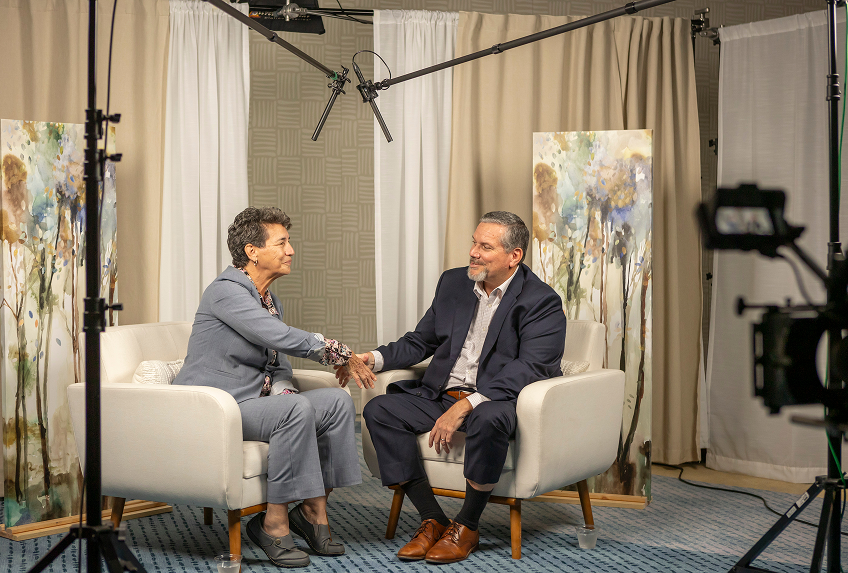
Interview Recorded on: August 14, 2026
Former Senator Susan Eggman’s path to the legislature runs through a hospice bedside, a social work classroom, and a family history she couldn’t set aside. She grew up watching a family member with bipolar disorder, lost a high school sweetheart to suicide, and heard her teenage daughter ask why we couldn’t help the people in the street.
In this conversation, she names the laws she is proudest of from her time in office: the 2015 End of Life Option Act, a rewrite of the conservatorship standard, and the Behavioral Health Services Act (BHSA). She explains that the old Mental Health Services Act had no money for housing or infrastructure and little accountability for outcomes, and the BHSA shifted funds toward the sickest of the sick. When she first started on this work, she says she couldn’t get a committee hearing, yet later she won nearly unanimous bipartisan support for her behavioral health legislation by building relationships and telling stories her colleagues recognized from their own constituents.
Now chair of the School of Social Work at Sacramento State University, she makes the case that social workers, trained to see every level of a system, belong in elected office and encourages her students to run.
See More
See Less
Links to Solutions
Loss is what drove the work: Dr. Susan Eggman watched people close to her struggle with severe mental illness while the system let them slip away. Then her teenage daughter asked why we couldn’t help the people in the street. That motivated her to rewrite the conservatorship law that defines who is gravely disabled, answering her daughter with legislation.
Agency at the end of life, care for the whole person: A former hospice social worker, Eggman passed the 2015 End of Life Option Act so terminally ill people could decide how their lives close. The Behavioral Health Services Act and its bond bring that same respect to people in crisis, steering money toward the sickest of the sick with wraparound services and campuses that offer care in one place.
Social workers belong in office: Dr. Eggman first ran for city council while teaching social work, made social workers a core part of her staff, and now chairs the School of Social Work at Sacramento State. She says policy is the same as working with a person, wants students paid for their internship hours, and encourages them to run for office.
Meet Our Guest
Senator Susan Eggman
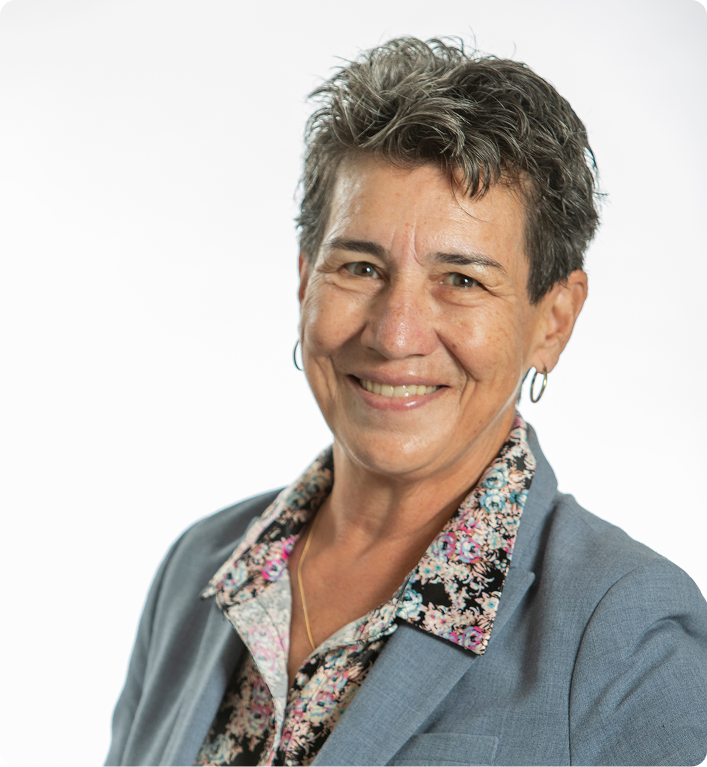
Senator Susan Talamantes Eggman is chair of the School of Social Work at California State University, Sacramento and a former California state senator. She served in the Assembly from 2012 to 2020 and in the Senate from 2020 to 2024, after serving on the Stockton City Council. A U.S. Army veteran who served four years as a medic, she holds bachelor’s and master’s degrees from CSU Stanislaus and a Ph.D. in social work from Portland State University. She authored California’s End of Life Option Act. In the Senate she helped secure billions of dollars to transform behavioral health care and wrote legislation modernizing the laws on involuntary holds and conservatorships. In February 2026, the Senate Rules Committee appointed her to the Delta Stewardship Council.