Jocelyn Ligayo grew up in the Philippines, where controlled medications were rare and treated as something serious. When she moved to the United States at twenty and began working as a bedside nurse, one pattern kept catching her attention. Even a simple case of knee pain would come back with a prescription for oxycodone or hydrocodone, and she found herself asking why so many patients were being started on something so strong. She carried that question through nine years across the ICU, the ER, and med-surg floors, and then into a role in pain management, where she saw what the prescriptions did. Patients told her the medication had changed their behavior and strained their relationships with their families, and a close friend of hers became addicted. Her turning point was a young woman whose drug tests kept coming back negative, who returned every two weeks with the same story about lost or stolen pills, and who threatened Jocelyn's life the day the refills stopped. Jocelyn made a quiet decision about the kind of provider she wanted to be, and moved into primary care, serving people who are unhoused out of a rescue mission in Nevada. She arrived carrying the same assumptions many providers do, that homelessness came down to laziness and addiction came down to a choice. The stories she heard did not leave those assumptions intact. Most of the people in front of her had started using young, at a point in their lives when they felt no one was listening.
Interview Recorded on: March 20, 2026
Jocelyn Ligayo grew up in the Philippines, where controlled medications were rare and treated as something serious. When she moved to the United States at twenty and began working as a bedside nurse, one pattern kept catching her attention. Even a simple case of knee pain would come back with a prescription for oxycodone or hydrocodone, and she found herself asking why so many patients were being started on something so strong. She carried that question through nine years across the ICU, the ER, and med-surg floors, and then into a role in pain management, where she saw what the prescriptions did. Patients told her the medication had changed their behavior and strained their relationships with their families, and a close friend of hers became addicted. Her turning point was a young woman whose drug tests kept coming back negative, who returned every two weeks with the same story about lost or stolen pills, and who threatened Jocelyn's life the day the refills stopped. Jocelyn made a quiet decision about the kind of provider she wanted to be, and moved into primary care, serving people who are unhoused out of a rescue mission in Nevada. She arrived carrying the same assumptions many providers do, that homelessness came down to laziness and addiction came down to a choice. The stories she heard did not leave those assumptions intact. Most of the people in front of her had started using young, at a point in their lives when they felt no one was listening.
See More
See Less
Links to Solutions
Stigma: Jocelyn started out believing homelessness came down to laziness and addiction came down to a choice, until the patients at the rescue mission told her most of them had started using young, when they felt no one was listening.
Pain Management: In pain management Jocelyn learned that prescribing is only half the job, and that a provider's real responsibility is to monitor the patient and step in when the medication starts taking over a person's life.
Listen to Their Soul: Asked what actually helps the people she treats, Jocelyn landed on kindness and communication, because so often it is the soul that is in pain and not the body.
Meet Our Guest
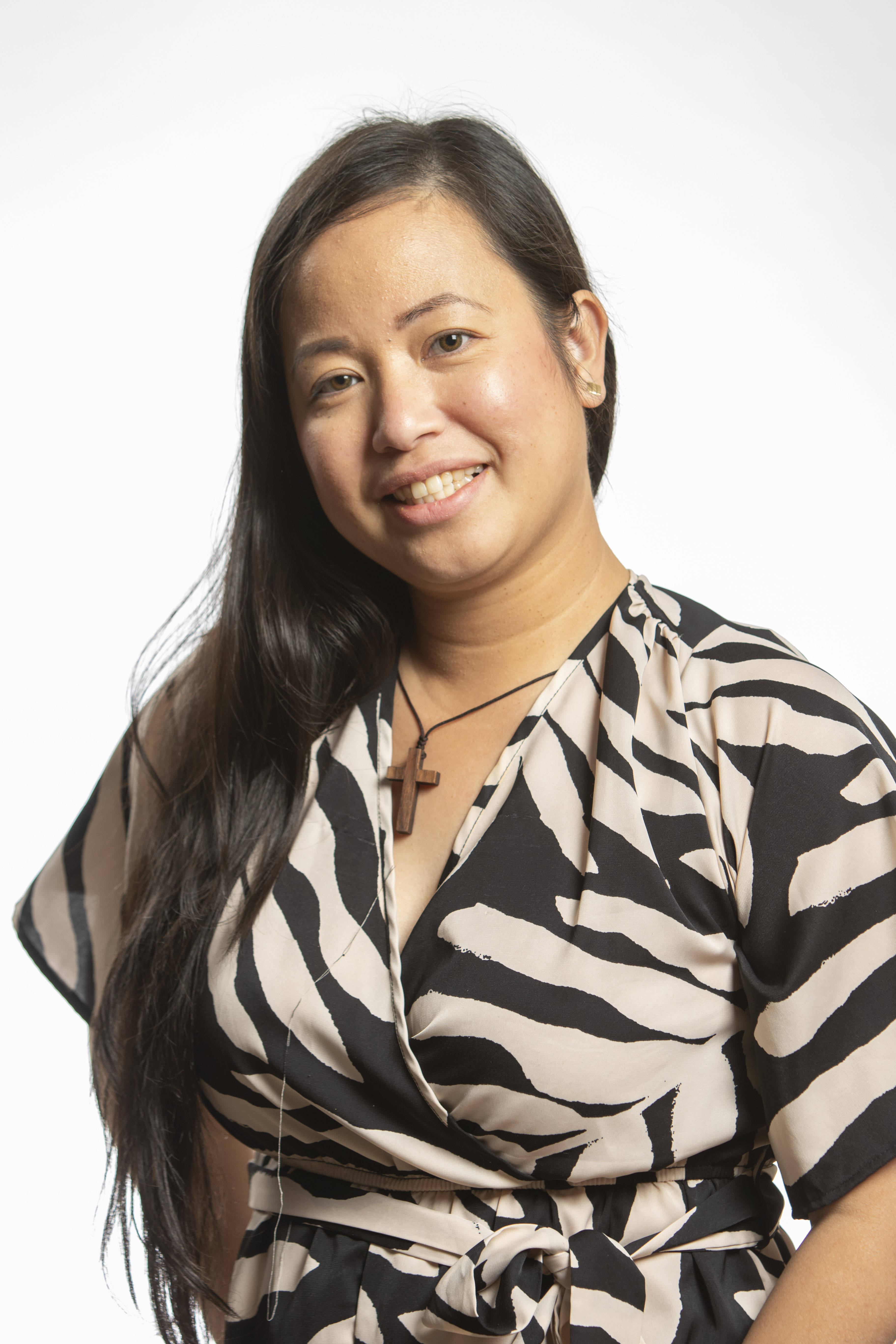
Jocelyn Nato Ligayo
Jocelyn Nato Ligayo is a nurse practitioner at Hope Christian Health Center, a nonprofit, faith-based Federally Qualified Health Center in North Las Vegas that provides primary care to patients regardless of their insurance status or ability to pay. She became a nurse practitioner in 2019, following roughly nine years at the bedside across intensive care, emergency, and medical-surgical units as well as long-term and acute rehabilitation. Her first role as a nurse practitioner was in pain management, where she worked for more than three years before moving into primary care. At Hope Christian, Ligayo serves through the center's medical outreach program, which brings mobile clinics to unhoused and underserved communities across the Las Vegas area, including the recovery shelter where much of her work takes place. Her practice centers on patients living with substance use disorders and co-occurring mental health conditions. She is currently a fellow in the TNT Primary Care Fellowships, training she plans to carry back to other providers in her community.