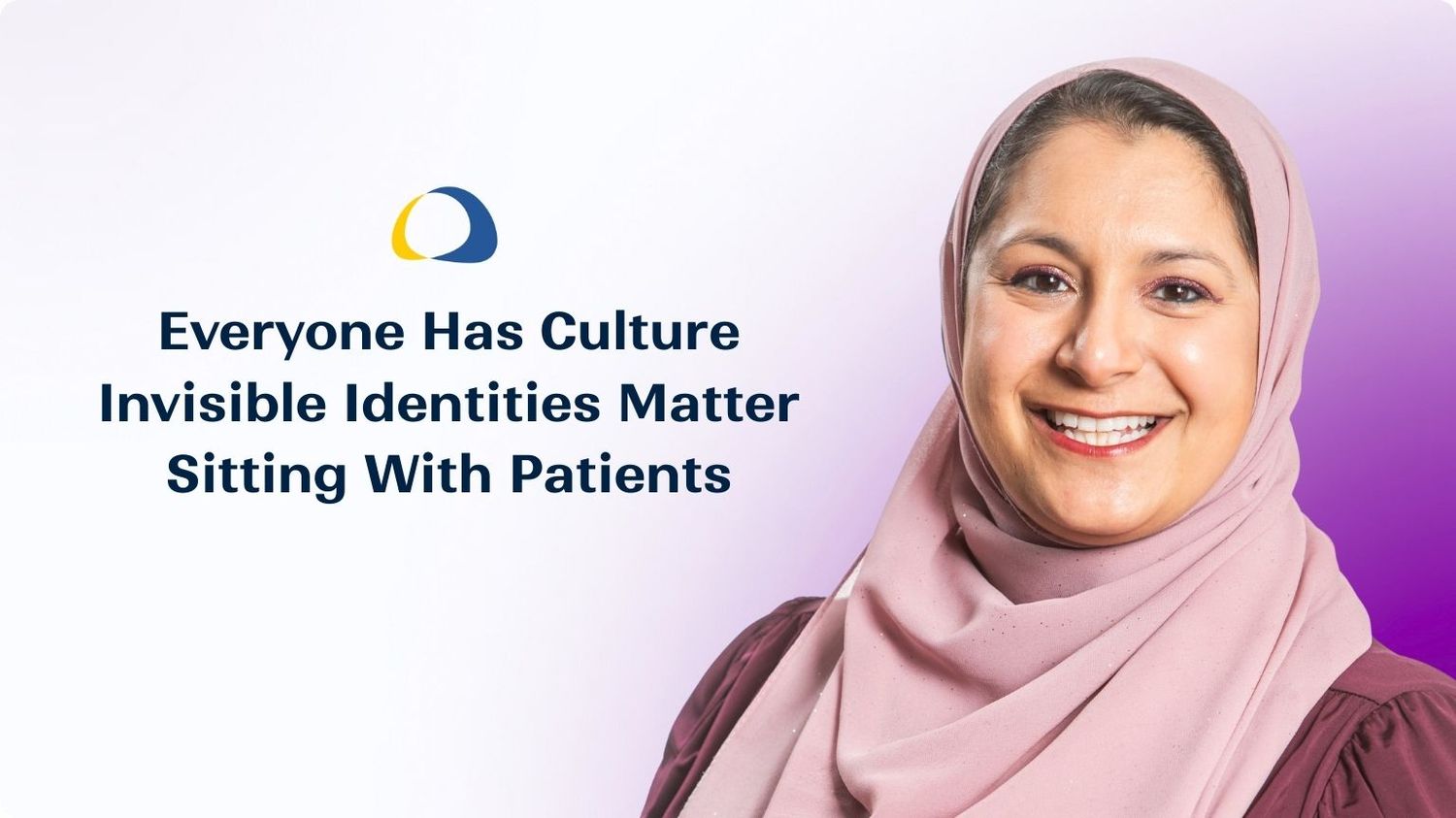
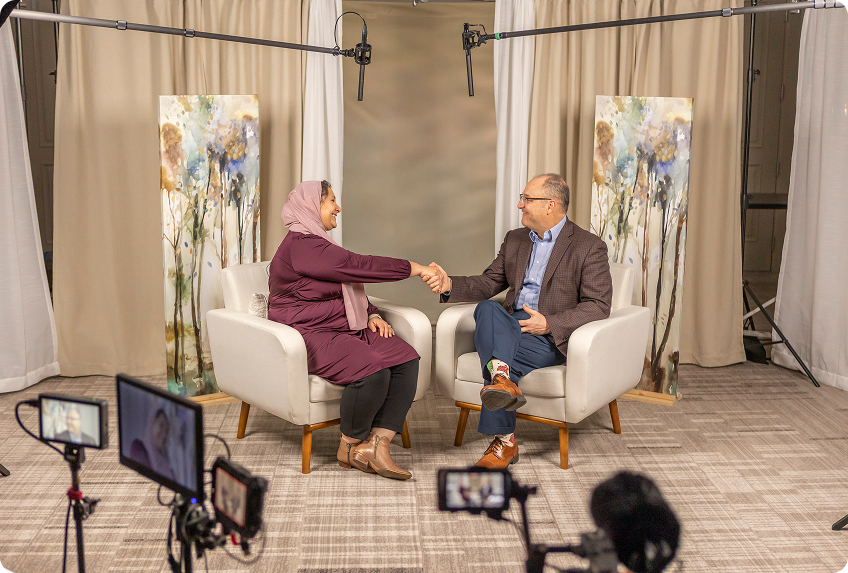
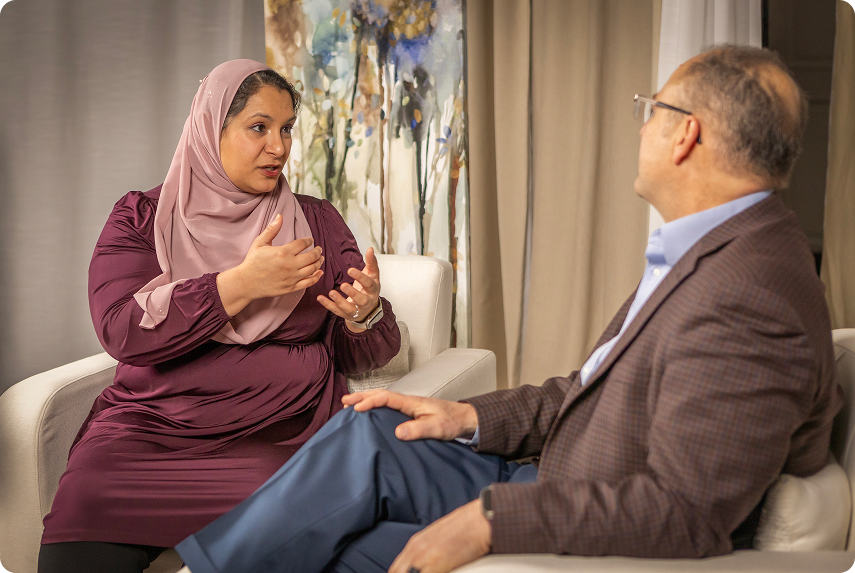
Dr. Sarah Arshad, child and adolescent psychiatrist, recognizes that everyone has culture, and ignoring that fact costs children their health. Drawing on her own identity as a daughter of Pakistani immigrants, a Muslim woman, and now a mother, she makes the case that cultural psychiatry is the foundation of good medicine. Every patient, every family, every kid who ends up in her emergency room arrives carrying their history, their fears, their faith, and their generational story. Her job is to ask about all of it before deciding what they need. Dr. Arshad also acknowledges that the systems designed to support children and families often fall short, especially along the lines of race, identity, and geography. She has recommended that a family move counties because the services their autistic son needed didn't exist in the rural county where they lived. She has sat with parents who couldn't bring themselves to say the word "suicide" out loud. As the TNT Fellowships PC-CAP Co-Director, she is now training the next generation of pediatric providers on how to incorporate cultural psychiatry into their own practice. Primary care providers are often the only option for children in rural communities where child psychiatrists simply don't exist. Dr. Arshad has made it her mission to ensure that they have the tools and training to fill that gap.
Interview Recorded on: jan 16, 2026
Dr. Sarah Arshad, child and adolescent psychiatrist, recognizes that everyone has culture, and ignoring that fact costs children their health. Drawing on her own identity as a daughter of Pakistani immigrants, a Muslim woman, and now a mother, she makes the case that cultural psychiatry is the foundation of good medicine. Every patient, every family, every kid who ends up in her emergency room arrives carrying their history, their fears, their faith, and their generational story. Her job is to ask about all of it before deciding what they need. Dr. Arshad also acknowledges that the systems designed to support children and families often fall short, especially along the lines of race, identity, and geography. She has recommended that a family move counties because the services their autistic son needed didn't exist in the rural county where they lived. She has sat with parents who couldn't bring themselves to say the word "suicide" out loud. As the TNT Fellowships PC-CAP Co-Director, she is now training the next generation of pediatric providers on how to incorporate cultural psychiatry into their own practice. Primary care providers are often the only option for children in rural communities where child psychiatrists simply don't exist. Dr. Arshad has made it her mission to ensure that they have the tools and training to fill that gap.
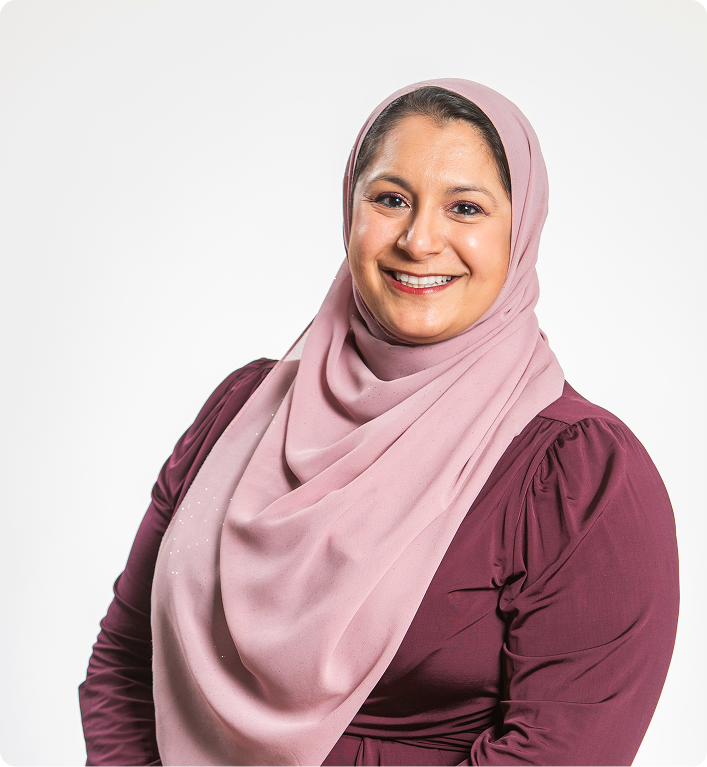
Dr. Sarah Arshad, MD, is a triple board-certified child and adolescent psychiatrist, pediatrician, and Assistant Professor of Clinical Psychiatry at the University of Pennsylvania Perelman School of Medicine. She practices as an emergency room and consultant liaison physician at Children's Hospital of Philadelphia (CHOP), where she has dedicated much of her career to mental health education for primary care providers and developing cultural psychiatry curriculum. As Co-Director of the UC Irvine Train New Trainers Child and Adolescent Psychiatry Fellowship, she is actively training primary care providers across the country to bring cultural psychiatry into their everyday practice. She is also a Research Consultant for the Stanford Muslim Mental Health & Islamic Psychology Lab and an active member of the American Academy of Child and Adolescent Psychiatry.