Psychiatry + Addiction: What Every Provider Should Know
With Dr. David Marcovitz
Video Player
Stories to Solutions
Interview Recorded on: March 22, 2025
Dr. David Marcovitz's journey from policy-focused medical student to Director of the Division of Addiction Psychiatry at Vanderbilt reveals a critical insight: addiction and mental health cannot be treated as separate issues. Now leading the Middle Tennessee Opioid Addiction Treatment Hub, he teaches healthcare providers across Tennessee to diagnose co-occurring disorders during periods of sobriety, breaking the cycle of patients ping-ponging through fragmented treatment systems. His approach challenges the artificial walls between addiction and mental health care that have long prevented comprehensive healing. Dr. Marcovitz understands that communication techniques directly impact treatment outcomes. Through motivational interviewing and nonviolent communication, he demonstrates that asking "How do you feel about your opioid use?" versus "I heard you want to stop using" fundamentally changes what patients reveal and how providers experience their work. When healthcare providers are resourced and patients feel respected, positive loops of care replace cycles of burnout and disconnection, creating better outcomes for everyone involved.
Interview Recorded on: March 22, 2025
Dr. David Marcovitz's journey from policy-focused medical student to Director of the Division of Addiction Psychiatry at Vanderbilt reveals a critical insight: addiction and mental health cannot be treated as separate issues. Now leading the Middle Tennessee Opioid Addiction Treatment Hub, he teaches healthcare providers across Tennessee to diagnose co-occurring disorders during periods of sobriety, breaking the cycle of patients ping-ponging through fragmented treatment systems. His approach challenges the artificial walls between addiction and mental health care that have long prevented comprehensive healing. Dr. Marcovitz understands that communication techniques directly impact treatment outcomes. Through motivational interviewing and nonviolent communication, he demonstrates that asking "How do you feel about your opioid use?" versus "I heard you want to stop using" fundamentally changes what patients reveal and how providers experience their work. When healthcare providers are resourced and patients feel respected, positive loops of care replace cycles of burnout and disconnection, creating better outcomes for everyone involved.
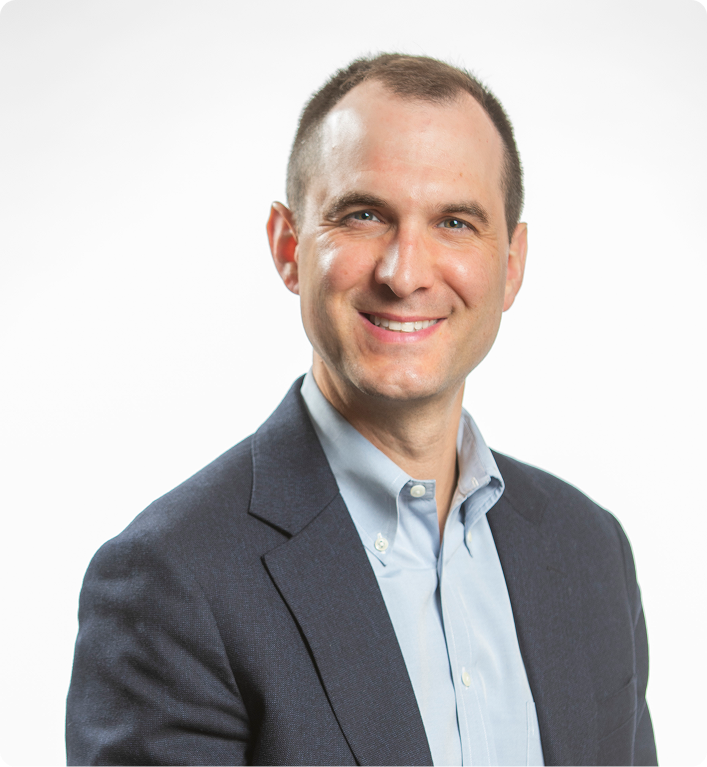
David Marcovitz, MD, is a board-certified general and addiction psychiatrist at Vanderbilt University Medical Center, where he directs the Division of Addiction Psychiatry and serves as associate professor in the Department of Psychiatry and Behavioral Sciences. He helped launch the Vanderbilt University Hospital Addiction Consult Service, the Bridge Clinic, and serves as Principal Investigator for the state-funded Middle TN Opioid Addiction Treatment Hub. Dr. Marcovitz completed his addiction psychiatry fellowship at Partners Healthcare/Harvard Medical School, receiving additional training in collaborative care through the IMPACT Model. He is an experienced educator, teaching medical students, residents, fellows, and colleagues on addiction-related topics. As senior trainer for Tennessee's federally-funded Opioid Response Network, he has helped build addiction treatment capacity statewide. His regional and national teaching focuses on collaborative care models across specialties, and he has presented at national meetings on teaching methods and outcome measures in addiction psychiatry. He has published on addiction education and research at the intersection of opioid treatment and community mutual help. He serves on the board of directors for the American Academy of Addiction Psychiatry. Beyond his board certifications, Dr. Marcovitz has specialized training in couples and family interventions, including the Community Reinforcement and Family Training (CRAFT) model and Emotionally-Focused Couples Therapy (EFT). He employs eclectic methods informed by psychodynamic psychotherapy, behavioral interventions, 12-Step modalities, and cognitive therapies. He strongly believes in integrating the patient's network into treatment and recognizes multiple paths to recovery.