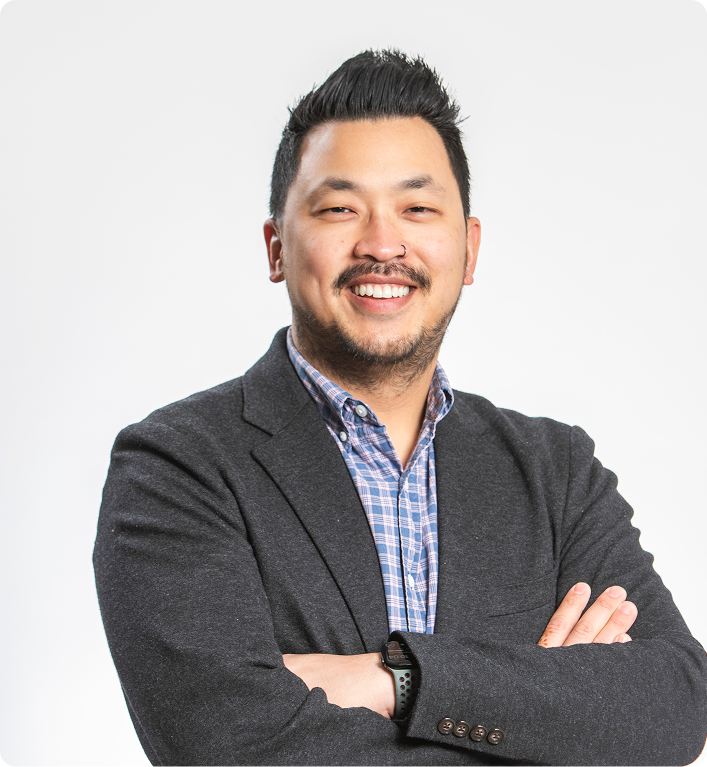
It started with the kids who couldn’t sleep. During his pediatrics residency, Bruce Leewiwatanakul would sit at the bedside near midnight and let them talk, listening to how a kid ended up in the hospital and what life looked like outside of it. The medicine was familiar to him. The stories were the part he kept coming back to. His mother had told him years earlier to find work he would still feel good about as he grew old, the kind of advice he first answered by teaching math and science near UCLA in college. The listening pointed somewhere else. He Googled whether a pediatrician could move into psychiatry, found the Post-Pediatric Portal Program, and sent in a late application that took him to CHOP for combined adult and child psychiatry training. Now a child psychiatrist at Oregon Health and Science University, he carries both trainings into the same room, where a pediatrician’s instinct for prevention sits alongside a psychiatrist’s understanding of illness. He spends his days in collaborative care, reaching kids with mild to moderate concerns before those concerns harden into something worse, and teaching other pediatric providers to do the same through the TNT Primary Care Fellowships. What keeps him going is the thought of leaving something behind, knowledge that sticks with a patient or a trainee long after they have forgotten where they learned it.
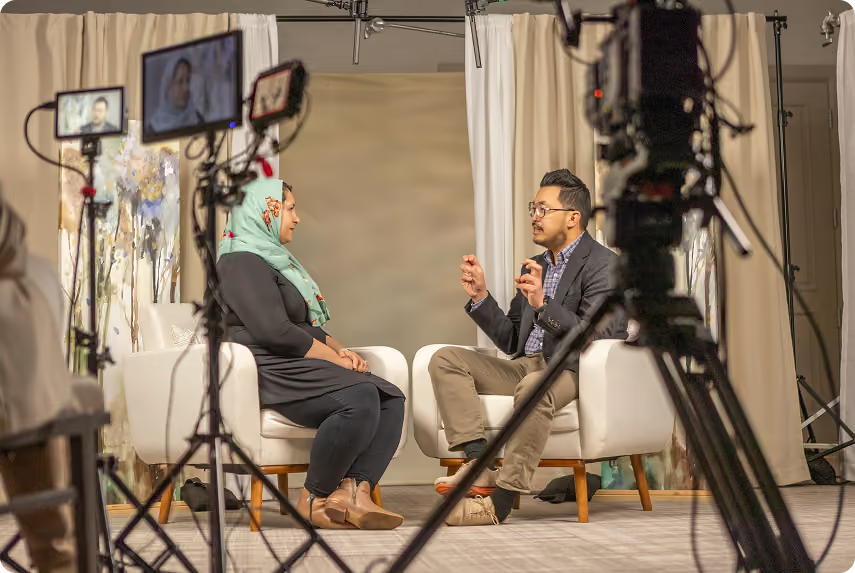
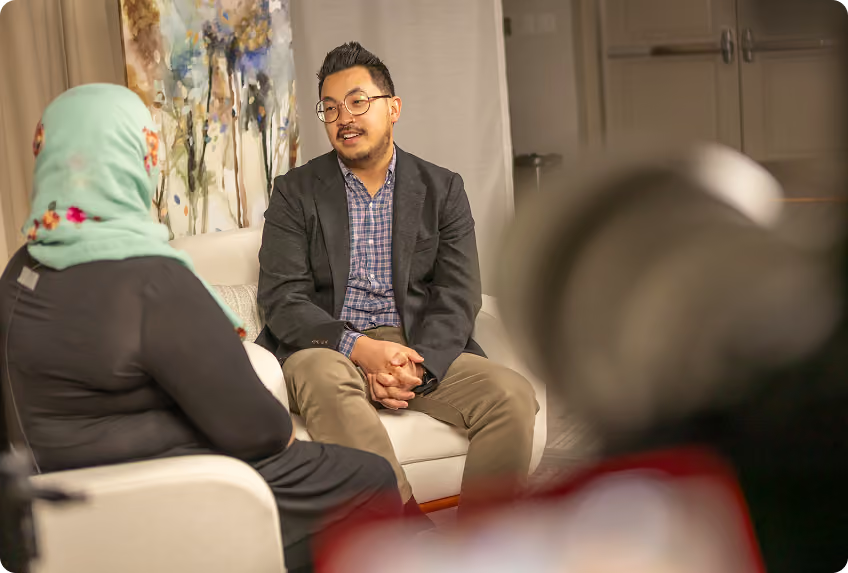
Interview Recorded on: Jan 16. 2026
It started with the kids who couldn’t sleep. During his pediatrics residency, Bruce Leewiwatanakul would sit at the bedside near midnight and let them talk, listening to how a kid ended up in the hospital and what life looked like outside of it. The medicine was familiar to him. The stories were the part he kept coming back to. His mother had told him years earlier to find work he would still feel good about as he grew old, the kind of advice he first answered by teaching math and science near UCLA in college. The listening pointed somewhere else. He Googled whether a pediatrician could move into psychiatry, found the Post-Pediatric Portal Program, and sent in a late application that took him to CHOP for combined adult and child psychiatry training. Now a child psychiatrist at Oregon Health and Science University, he carries both trainings into the same room, where a pediatrician’s instinct for prevention sits alongside a psychiatrist’s understanding of illness. He spends his days in collaborative care, reaching kids with mild to moderate concerns before those concerns harden into something worse, and teaching other pediatric providers to do the same through the TNT Primary Care Fellowships. What keeps him going is the thought of leaving something behind, knowledge that sticks with a patient or a trainee long after they have forgotten where they learned it.
The path into child psychiatry rarely runs through a full pediatrics residency and a chief year. Bruce Leewiwatanakul, D.O., M.A., took it anyway. He finished his pediatrics training at OHSU and stayed on as chief resident, then went back to the beginning, crossing the country to the University of Pennsylvania and the Children’s Hospital of Philadelphia for combined general and child and adolescent psychiatry through the Post-Pediatric Portal Program. He came home to OHSU in 2024, now an Assistant Professor who carries both trainings at once, board-certified in pediatrics and general psychiatry and fluent in the language of each. These days he sees young people at Doernbecher Children’s Hospital, working with kids and teens through depression, anxiety, and ADHD, building plans that start from what a kid is already good at. He helps train the next class of child psychiatrists and directs a fellowship rotation built around getting families answers quickly, when waits for specialty care can otherwise stretch into months. And he keeps one eye on the larger forces shaping young lives, from collaborative care to trauma to the intersection of young people’s mental health and climate.